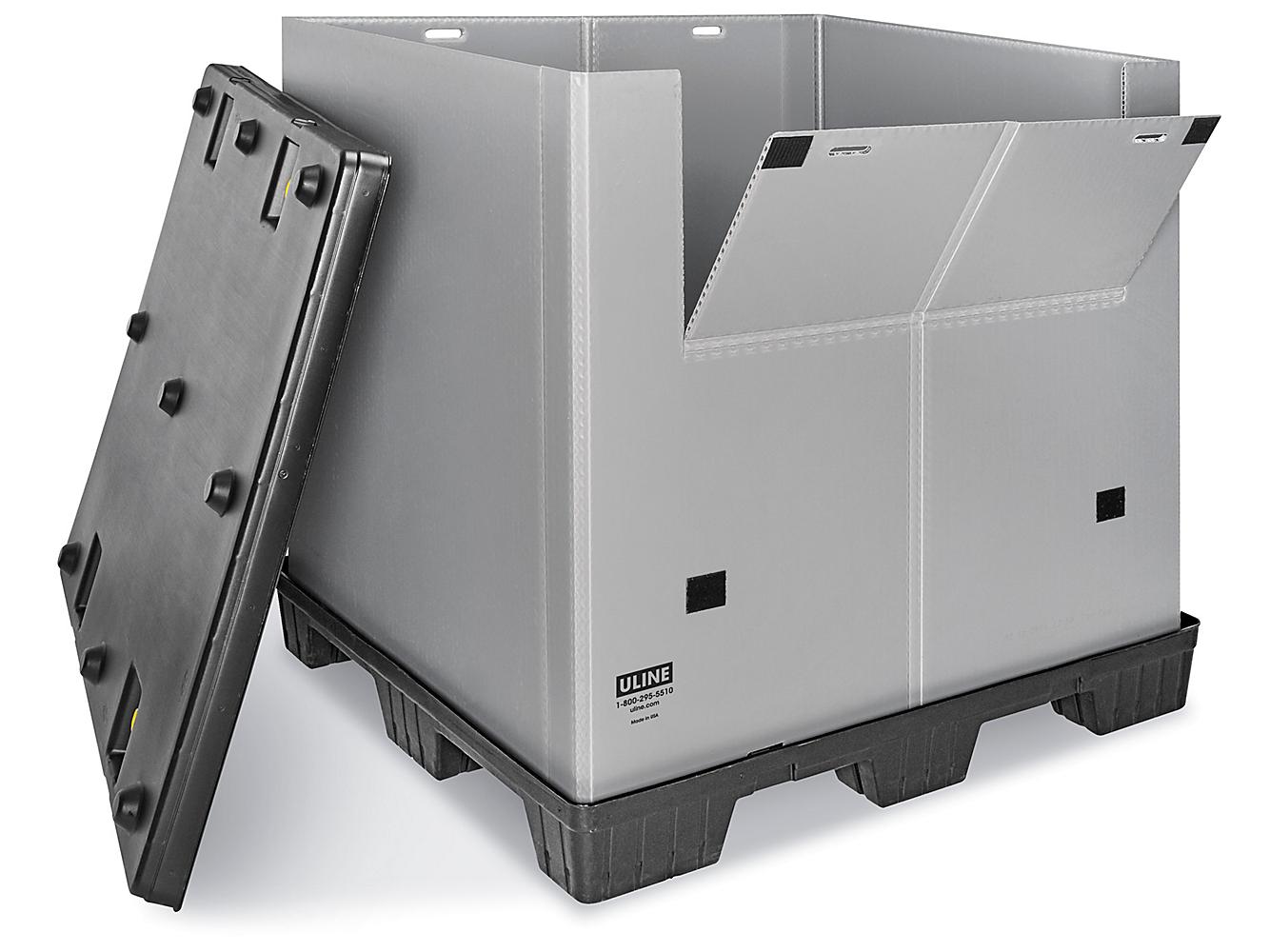
Understanding Leasing Setups for Bulk Plastic Containers: What You Required to Know
Leasing bulk plastic containers can be a calculated option for services seeking to handle costs and performance. Nonetheless, steering with the intricacies of leasing agreements needs careful factor to consider. Secret factors such as lease period, settlement structures, and upkeep responsibilities must be thoroughly evaluated. Furthermore, potential concealed fees and the owner's credibility play vital roles in forming reputable partnerships. Understanding these components is vital for making notified decisions in an ever-evolving market landscape. What aspects should one focus on to guarantee an effective leasing arrangement?
The Benefits of Leasing Mass Plastic Containers
Leasing bulk plastic containers supplies a practical service for organizations seeking performance and cost-effectiveness. This approach enables companies to access top quality containers without the significant in advance investment usually connected with acquiring. By renting, services can assign funds much more properly, concentrating on core procedures instead than hefty capital investment. In addition, renting arrangements often consist of maintenance and assistance services, guaranteeing that containers continue to be in peak problem and decreasing the problem on interior resources.
Furthermore, renting gives adaptability, making it possible for firms to readjust their container inventory according to varying need (Bulk Plastic Containers). This versatility can cause boosted stock monitoring and lowered waste. Furthermore, leasing can facilitate access to the newest container technologies, aiding organizations stay affordable in a rapidly transforming market. Eventually, the advantages of leasing bulk plastic containers can enhance operational efficiency, boost capital, and support sustainable methods, making it an appealing option for numerous sectors
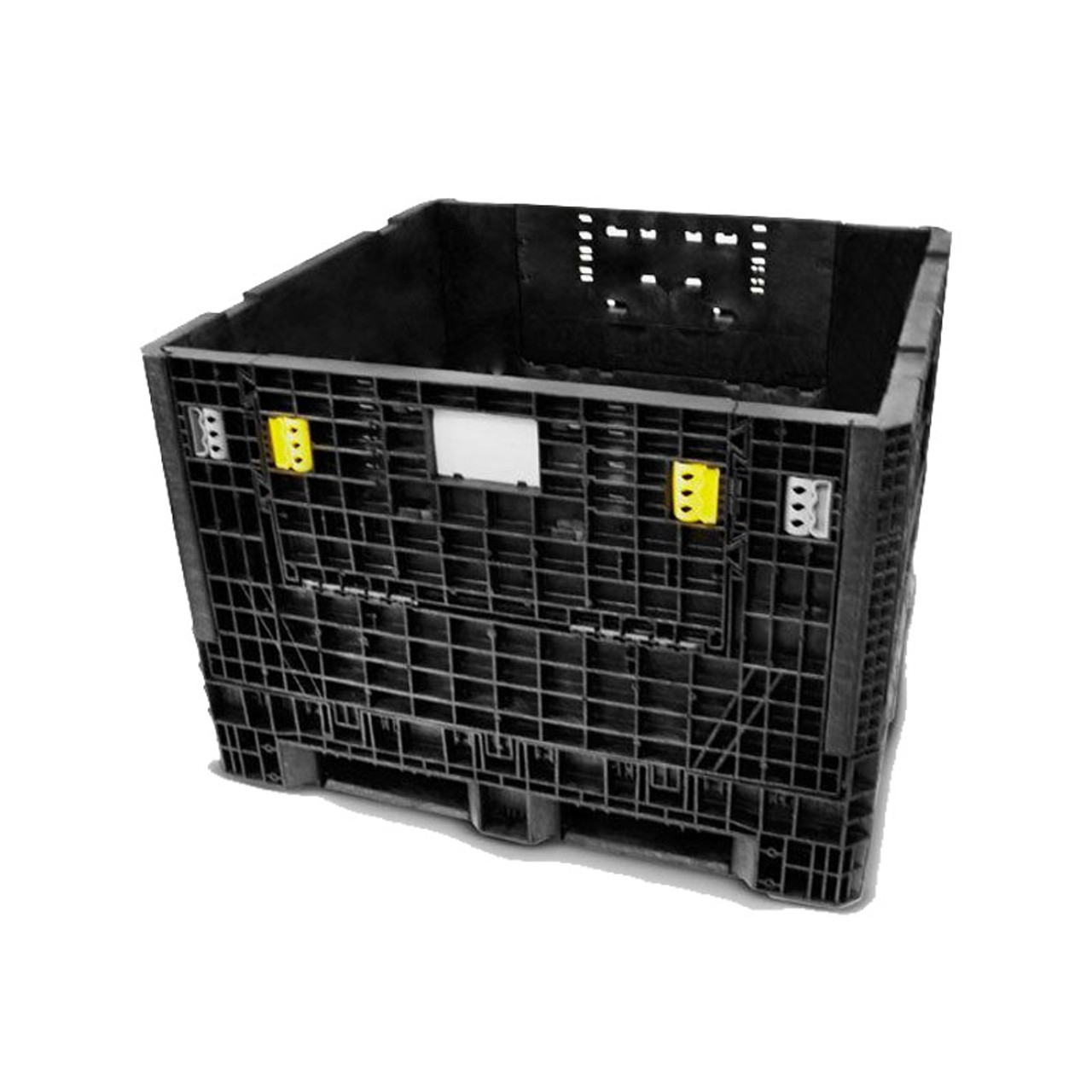
Key Considerations When Choosing a Leasing Contract
What variables should companies take into consideration when selecting a leasing contract for mass plastic containers? First, firms need to assess their details demands, including the kind and quantity of containers called for, to ensure the arrangement lines up with operational demands. Next off, the lease period is essential; businesses have to establish if a short-term or lasting lease best suits their stock turnover and usage patterns.
Cost is an additional substantial consideration; services need to assess the total expense of leasing, including any hidden costs or fees. In addition, they must review the vendor's online reputation and dependability, as a credible partner can affect the general leasing experience.

Flexibility additionally plays an essential role; companies may profit from contracts that allow for adjustments in container amounts based on altering requirements. Ultimately, reviewing maintenance and support alternatives supplied by the leasing company is important to guarantee functional continuity and minimize interruptions.
Understanding Leasing Terms and Problems
An extensive understanding of leasing problems and terms is vital for organizations to browse the complexities of renting bulk plastic containers effectively. Leasing agreements typically consist of crucial elements such as lease duration, settlement structures, maintenance responsibilities, and discontinuation conditions. Services should meticulously assess the lease period to guarantee it aligns with their functional needs, whether temporary or long-term. Settlement structures might differ, including quarterly or month-to-month repayments, and understanding these can substantially impact cash money circulation. Upkeep obligations must be clearly specified, as they determine who is accountable for repair services and maintenance during the lease period. Additionally, termination conditions can stipulate conditions under which the lease can be finished too soon, which is important for companies expecting possible adjustments sought after. By completely evaluating these terms, companies can make enlightened decisions that line up with their functional needs and strategic objectives.

Typical Risks to Stay Clear Of in Leasing Arrangements
While maneuvering leasing arrangements for bulk plastic containers, services commonly experience common pitfalls that can cause expensive errors - plastic bulk containers. One major concern is failing to extensively recognize the lease terms, which can result in unforeseen charges or obligations. Additionally, forgeting the value of appropriate container upkeep may result in costly repairs or her latest blog charges for problems. An additional frequent mistake is not evaluating the complete expense of the lease, including hidden costs such as insurance policy or transport
Companies might also forget to examine the owner's credibility, risking partnership with an unreliable copyright. Moreover, ruling out the versatility of lease terms can hinder operational adaptability. Inadequate documentation of the leasing arrangement can develop disputes, leading to legal or economic issues. By identifying these pitfalls, organizations can much better prepare themselves to browse renting plans much more efficiently and avoid damaging effects.
Tips for Negotiating the most effective Lease Terms
How can companies protect one of the most desirable lease terms for mass plastic containers? Initially, they should carry out comprehensive market research to understand prevailing rates and terms. This expertise encourages them to negotiate confidently and determine affordable offers. Next off, businesses can leverage their getting quantity to negotiate better prices, emphasizing lasting plans that might benefit both parties.
Additionally, they should very carefully assess lease arrangements, paying attention to stipulations relating to maintenance, insurance coverage, and charges for early termination. Involving legal advise for an in-depth review can protect against pricey misconceptions.
Services must continue to be open and flexible to reviewing alternative terms, such as extended lease durations for lowered month-to-month prices. By coming close to settlements with prep work and a readiness to endanger, businesses can secure lease terms that line up with their functional needs while decreasing prices.
Regularly Asked Inquiries
Exactly how Do I Figure Out the Right Quantity of Containers to Lease?
To identify the best amount of containers to rent, one ought to examine current supply demands, forecast demand fluctuations, take i thought about this into consideration preparations, and represent storage space limitations, making certain an ideal balance between supply and operational performance. plastic bulk containers.
Can I Personalize the Containers to Satisfy My Particular Needs?
Yes, personalization of containers to satisfy specific needs is frequently possible. Many leasing business use alternatives for modifications, permitting clients to tailor colors, functions, and dimensions, ensuring the containers align with functional demands and choices.
What Occurs if I Need to Return the Containers Early?
The leasing arrangement might stipulate fees or charges if containers are returned early. The business might evaluate the problem and usage, possibly changing costs based upon the remaining lease term and pre-established terms.
Are There Any Type Of Upkeep Obligations for Leased Containers?
Rented containers typically require the lessee to keep them in excellent problem, addressing minor deterioration. Major repairs normally fall under the lessor's obligations, but specifics can vary based on the leasing agreement.
Exactly how Is the Leasing Price Structured Over the Agreement Period?
Leasing costs are usually structured based on the period of the agreement, regularity of settlements, and container specs. Extra variables, such as maintenance and insurance expenses, may additionally influence the total prices arrangement gradually.